Hyperopia (Far-Sightedness) | Types, Causes, Symptoms & Treatment
Types of Hyperopia
Hyperopia can vary in severity and type:
- Mild Hyperopia – Slight difficulty in near vision, often unnoticed
- Moderate Hyperopia – Noticeable blur in close work
- High Hyperopia – Blurry vision at both near and far distances
- Latent Hyperopia – Hidden hyperopia compensated by eye muscles
- Manifest Hyperopia – Clearly detectable during eye examination
Causes of Hyperopia
Hyperopia occurs due to structural variations in the eye, such as:
- Shorter eyeball length than normal
- Flatter cornea curvature
- Improper focusing ability of the eye lens
These factors prevent light from focusing correctly on the retina, causing blurred near vision.
In many cases, hyperopia is present from birth and may also run in families.
Symptoms of Hyperopia
You may be experiencing hyperopia if you notice:
- Blurred vision while reading or doing close work
- Eye strain or tired eyes
- Frequent headaches, especially after screen use
- Squinting to see clearly
- Difficulty focusing on nearby objects
In children, signs may include lack of interest in reading or frequent eye rubbing.
How is Hyperopia Diagnosed?
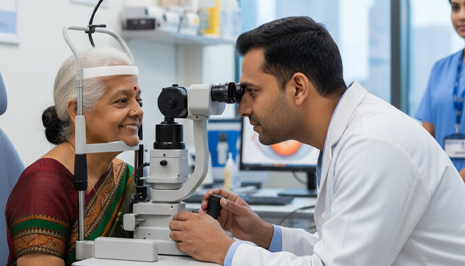
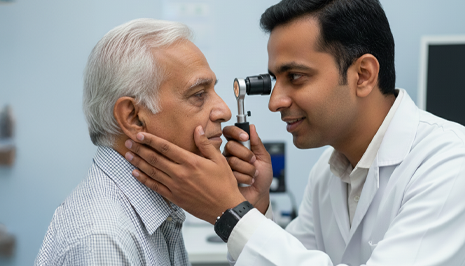
At ASG Eye Hospital, hyperopia is diagnosed through a comprehensive eye examination, which may include:
- Vision testing
- Refraction test
- Dilated eye exam
- Corneal and retinal evaluation
Early diagnosis is important to prevent complications like lazy eye (amblyopia) in children.
Treatment Options for Hyperopia
Hyperopia can be effectively managed with modern treatments:
1. Eyeglasses
- Most common and safest option
- Helps correct focus for clear near vision
2. Contact Lenses
- Provide a wider field of vision
- Ideal for active lifestyles
3. LASIK / Refractive Surgery
- Permanent correction option
- Reshapes the cornea to improve focus
4. Advanced Vision Correction at ASG
- Blade-free LASIK
- SMILE surgery
- ICL (Implantable Contact Lens) for high power cases
Treatment choice depends on age, lifestyle, and severity of hyperopia.
Complications if Left Untreated
Ignoring hyperopia can lead to:
- Chronic eye strain
- Frequent headaches
- Reduced productivity
- Lazy eye in children
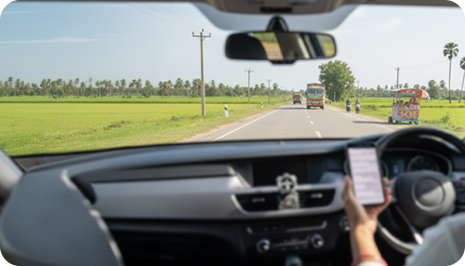
- Difficulty in daily tasks like reading or driving
Why Choose ASG Eye Hospital?
- Experienced eye specialists
- Advanced diagnostic technology
- Customized treatment plans
- High success rate in refractive surgeries
- Multiple centers across India
When Should You See a Doctor?
Consult an eye specialist if you experience:
- Persistent blurry vision
- Eye discomfort or headaches
- Difficulty reading or using screens
- Vision problems affecting daily life
Book Your Eye Check-Up Today
Don’t let blurred vision affect your quality of life. Early diagnosis and proper treatment can help you achieve clear, comfortable vision.
Visit your nearest ASG Eye Hospital or book an appointment today.