Cataract: Disease Overview, Symptoms & Treatment
Types of Cataract
1. Nuclear Cataract
- Affects the center of the lens
- Common with aging
- Difficulty in distance vision
2. Cortical Cataract
- Develops at the edges of the lens
- Causes glare and light sensitivity
3. Posterior Subcapsular Cataract
- Forms at the back of the lens
- Affects reading and vision in bright light
4. Congenital Cataract
- Present at birth or develops in childhood
5. Traumatic Cataract
- Caused due to injury to the eye
Symptoms of Cataract
Common symptoms include:
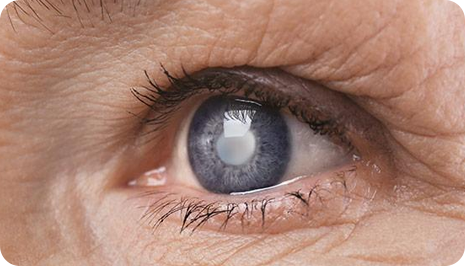
- Blurred or cloudy vision
- Difficulty seeing at night
- Sensitivity to light and glare
- Halos around lights
- Fading or yellowing of colors
- Frequent change in glasses number
- Double vision in one eye
Causes of Cataract
The most common cause is aging, but other factors include:
- Diabetes
- Eye injury
- Long-term steroid use
- Excess UV exposure
- Smoking and alcohol
- Genetic factors
With age, proteins in the eye lens break down and clump together, causing clouding.
Risk Factors
You are at higher risk if you:
- Are above 50 years
- Have diabetes
- Smoke or drink alcohol
- Have prolonged sun exposure
- Have family history of cataract
Diagnosis
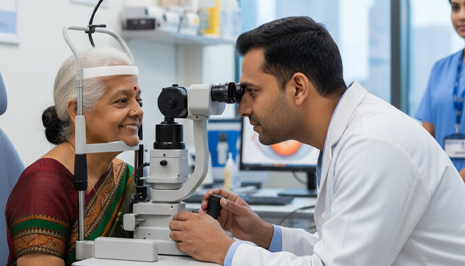
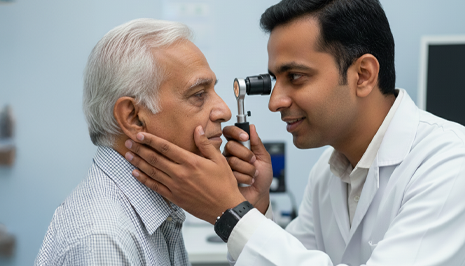
Cataract is diagnosed through an eye examination:
- Vision test
- Slit-lamp examination
- Retina check
- Refraction test
Treatment of Cataract
1. Early Stage
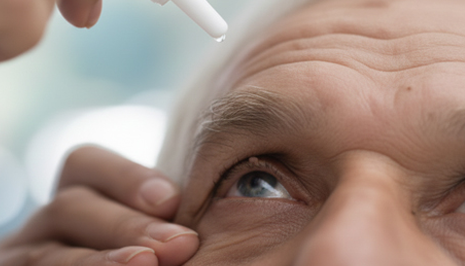
- Glasses or better lighting can help temporarily
2. Cataract Surgery (Best Treatment)
- Cloudy lens is removed
- Artificial lens (IOL) is implanted
Advanced Options:
- Laser cataract surgery
- Phacoemulsification
- Premium lenses (multifocal / toric)
Surgery is safe, painless, and takes 10–20 minutes.
What Happens if Cataract is Not Treated?
- Severe vision loss
- Difficulty in daily activities
- Risk of falls and accidents
- Possible complications like glaucoma
Prevention Tips
- Wear UV-protected sunglasses
- Control diabetes
- Avoid smoking
- Eat healthy (green vegetables, fruits)
- Regular eye check-ups
Key Takeaway
Cataract is a common but treatable eye disease. Early diagnosis and timely surgery can completely restore vision and improve quality of life.