Posterior Capsular Opacification: Disease, Symptoms & Treatment
Why Does PCO Occur?
During cataract surgery, the natural cloudy lens is removed and replaced with an artificial lens, but the capsule holding it is left intact.
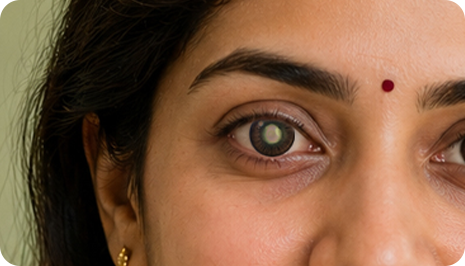
Over time, residual lens cells may grow and accumulate on this capsule, causing it to become cloudy and obstruct vision.
How Common is PCO?
One of the most common complications after cataract surgery
Affects up to 20–50% of patients within a few years
Can occur at any age but more common in younger patients
Symptoms of Posterior Capsular Opacification
Symptoms are similar to cataract and may gradually worsen:
These symptoms may appear gradually and worsen over time if untreated.
Types of PCO
PCO can present in different forms based on cell growth pattern:
Each type varies in severity and speed of progression.
Diagnosis of PCO
Early diagnosis helps restore vision quickly.
Common Tests:
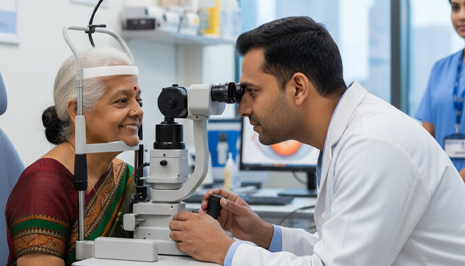
Slit-lamp examination
Visual acuity test
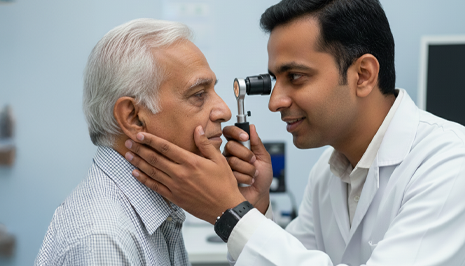
Dilated eye examination
Your eye specialist evaluates the clarity of the lens capsule and impact on vision.
Treatment of Posterior Capsular Opacification
1. YAG Laser Capsulotomy (Gold Standard)
The most effective treatment is a quick, painless laser procedure called Nd:YAG laser capsulotomy.
Creates a small opening in the cloudy capsule
Allows light to pass clearly to the retina
Takes only a few minutes
Vision improves within 24–48 hours
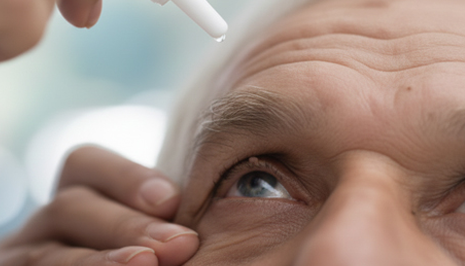
2. Post-Treatment Care
PCO usually does not recur after laser treatment in most cases.
When Should You See a Doctor?
Consult immediately if you experience:
Blurred vision after cataract surgery
Increasing glare or halos
Difficulty reading or night vision
Early treatment ensures quick recovery and prevents further vision decline.
Why Choose ASG Eye Hospital?
Experienced cataract specialists
Advanced YAG laser technology
Quick, painless, outpatient procedure
Nationwide presence for easy access
ASG ensures precise diagnosis and effective treatment for post-surgical eye conditions.
Conclusion
Posterior Capsular Opacification is a common but treatable condition that can affect vision after cataract surgery. With timely diagnosis and a simple laser procedure, clear vision can be restored effectively.
If you notice blurred vision after surgery, visit your nearest ASG Eye Hospital for expert evaluation and treatment.