Astigmatism | Causes, Symptoms, Diagnosis & Treatment
Types of Astigmatism
Astigmatism is classified based on the part of the eye affected:
1. Corneal Astigmatism
Occurs when the cornea has an irregular shape.
2. Lenticular Astigmatism
Occurs due to irregularities in the eye lens.
3. Myopic Astigmatism
Blurred vision for distant objects.
4. Hyperopic Astigmatism
Blurred vision for near objects.
Symptoms of Astigmatism
The symptoms may vary depending on severity, but common signs include:
- Blurred or distorted vision
- Eye strain or discomfort
- Frequent headaches
- Difficulty seeing at night
- Squinting to see clearly
- Trouble focusing on fine details
In mild cases, symptoms may go unnoticed, making regular eye check-ups essential.
Causes of Astigmatism
Astigmatism occurs when the cornea or lens has uneven curvature, causing light rays to focus at multiple points instead of one.
Common Causes
- Genetic (present from birth)
- Eye injury or trauma
- Previous eye surgery
- Eye conditions like keratoconus
- Age-related changes in eye structure
Risk Factors
You may have a higher risk of developing astigmatism if you:
- Have a family history of refractive errors
- Have undergone eye surgery
- Suffer from corneal diseases
- Have excessive eye rubbing habits
Diagnosis of Astigmatism
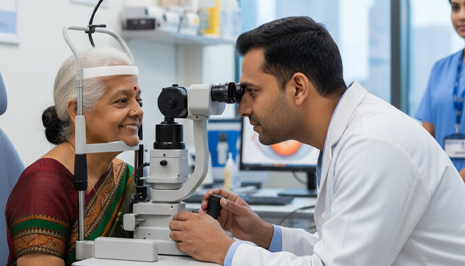
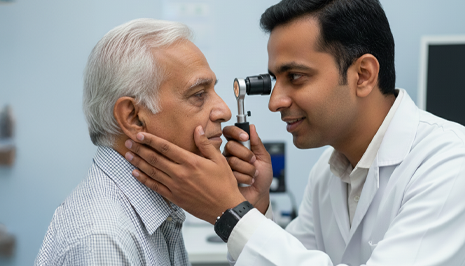
Astigmatism is diagnosed through a comprehensive eye examination by an ophthalmologist.
Common Tests Include
- Visual acuity test
- Refraction test
- Keratometry (corneal curvature measurement)
- Corneal topography
These tests help determine the exact power required for correction.
Treatment Options for Astigmatism
Astigmatism is highly treatable, and the goal is to improve vision clarity and comfort.
1. Eyeglasses
Customized lenses correct the uneven curvature of the eye.
2. Contact Lenses
Special toric lenses are designed for astigmatism correction.
3. LASIK Surgery
A permanent solution that reshapes the cornea using advanced laser technology.
4. SMILE / PRK Surgery
Advanced refractive procedures suitable for selected patients.
At ASG Eye Hospital, advanced diagnostic tools and experienced eye specialists ensure personalized treatment plans for every patient.
Complications if Left Untreated
Ignoring astigmatism can lead to:
- Chronic headaches
- Eye fatigue
- Poor academic performance in children
- Reduced quality of life
Early diagnosis helps prevent long-term vision issues.
Astigmatism in Children
Children often do not realize they have vision problems. Signs to watch:
- Sitting too close to screens
- Difficulty reading
- Frequent eye rubbing
- Poor school performance
Regular pediatric eye check-ups are crucial for early detection.
Prevention & Eye Care Tips
While astigmatism cannot always be prevented, you can protect your vision by:
- Getting regular eye check-ups
- Following the 20-20-20 rule (for screen use)
- Wearing prescribed glasses or lenses
- Avoiding eye strain and rubbing
Why Choose ASG Eye Hospitals for Astigmatism Treatment?
- Experienced ophthalmologists
- Advanced diagnostic technology
- Customized treatment plans
- Affordable and accessible care
- Multiple locations across India