Presbyopia (Age-Related Near Vision Loss): Causes, Symptoms & Treatment
Types of Presbyopia
Presbyopia is generally classified based on severity and onset:
1. Early Presbyopia
Mild difficulty in near vision, usually noticed in early 40s.
2. Advanced Presbyopia
Significant near vision loss requiring stronger correction.
3. Premature Presbyopia
Occurs before age 40 due to medical conditions or medications.
Symptoms of Presbyopia
Presbyopia develops gradually, and common symptoms include:
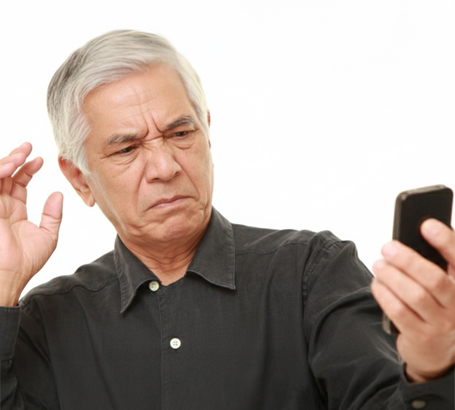
- Blurred vision while reading or doing close work
- Need to hold books or mobile farther away
- Eye strain or fatigue
- Headaches after prolonged reading
- Difficulty reading in dim light
These symptoms may worsen with tiredness or poor lighting conditions.
Causes of Presbyopia
Presbyopia occurs due to natural aging changes in the eye.
Main Cause
- Loss of flexibility of the eye’s lens, making it difficult to focus on near objects
How it Happens
- The lens becomes harder with age
- It cannot change shape easily (loss of accommodation)
- Light focuses behind the retina instead of directly on it
Risk Factors
You may develop presbyopia earlier if you:
- Are above 40 years of age
- Have hyperopia (far-sightedness)
- Have medical conditions like diabetes
- Use certain medications (antidepressants, antihistamines)
Diagnosis of Presbyopia
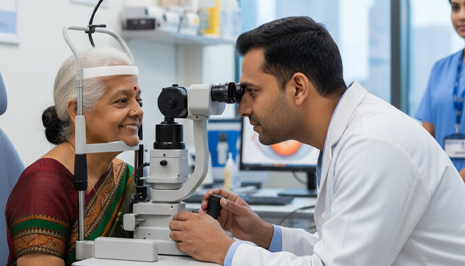
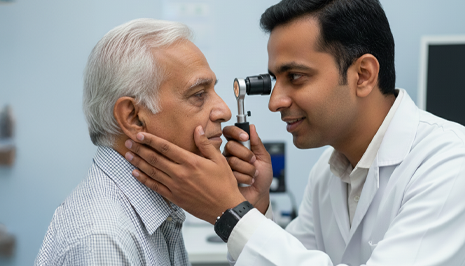
Presbyopia is diagnosed through a comprehensive eye examination.
Tests Include:
- Visual acuity test
- Refraction test
- Near vision testing
- Eye health examination
Regular eye check-ups help detect presbyopia early and prevent discomfort.
Treatment Options for Presbyopia
Presbyopia cannot be reversed, but it can be effectively managed.
1. Reading Glasses
Simple and most common solution for near vision correction.
2. Bifocal / Progressive Glasses
Correct both near and distance vision.
3. Contact Lenses
Multifocal or monovision lenses for better visual flexibility.
4. LASIK / Presbyopia Surgery
Advanced procedures to improve near vision permanently.
5. Lens Replacement Surgery
Intraocular lens (IOL) implants for long-term correction.
At ASG Eye Hospitals, advanced technology and expert ophthalmologists provide personalized treatment plans based on your lifestyle and vision needs.
Complications if Left Untreated
Ignoring presbyopia may lead to:
- Chronic headaches
- Eye fatigue
- Reduced work productivity
- Difficulty in daily activities like reading or using mobile
Presbyopia vs Other Refractive Errors
| Condition | Vision Problem |
|---|
| Myopia | Difficulty seeing far objects |
| Hyperopia | Difficulty seeing near objects |
| Astigmatism | Blurred vision at all distances |
| Presbyopia | Age-related near vision loss |
Prevention & Eye Care Tips
Although presbyopia cannot be prevented, you can reduce discomfort by:
- Regular eye check-ups
- Using proper lighting while reading
- Taking breaks from screens (20-20-20 rule)
- Wearing prescribed glasses
Why Choose ASG Eye Hospitals for Presbyopia Treatment?
- Experienced eye specialists
- Advanced diagnostic technology
- Customized vision correction solutions
- Affordable care across multiple locations in India
- High success rate in refractive surgeries