
Expert Care for Cataract & Lens Disorders
Advanced diagnosis and treatment for clear, healthy vision.
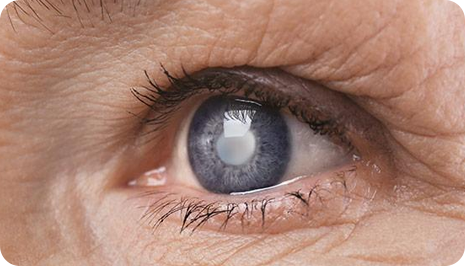
Cataract
Cataract is an eye disease in which the natural lens of the eye becomes cloudy, leading to blurred or dim vision. Normally, the lens is clear and helps focus light onto the retina, but in cataract
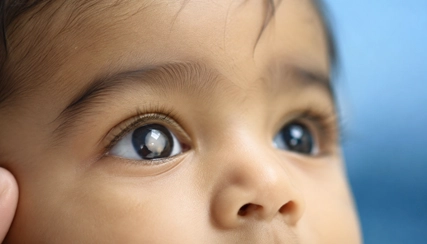
Congenital Cataract
Congenital cataract is a condition where a child is born with a cloudy or opaque eye lens. This clouding prevents light from reaching the retina properly, affecting normal visual development
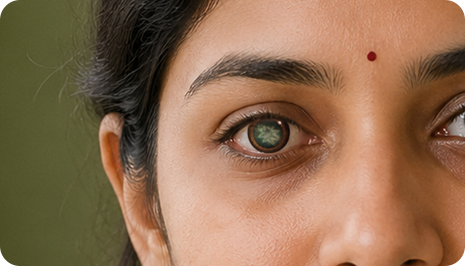
Traumatic Cataract
A traumatic cataract is a type of cataract that develops after an injury to the eye. The injury damages the natural lens, causing it to become cloudy and leading to blurred or reduced vision
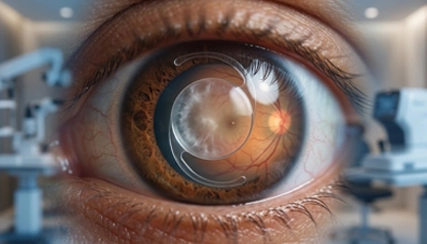
Posterior Capsular Opacification
Posterior Capsular Opacification (PCO) is a common condition that may occur after cataract surgery, where the back portion of the lens capsule becomes cloudy
Lens Dislocation
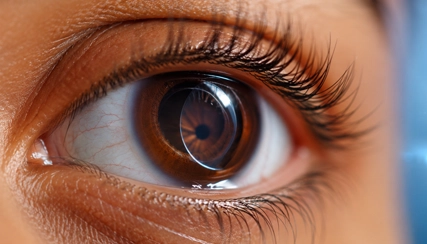
Lens dislocation is a condition where the natural lens of the eye (or an artificial lens after cataract surgery) shifts from its normal position. This displacement affects how light is focused on the retina
Not sure which
treatment is right for you?
Book an appointment and let our specialists guide you.

Vision for All.
Not Just for Some
ASG is growing its network with 200 Vision Centres, delivering affordable eye care to over 4 million people.
Or

Cataract & Lens Disorders: Causes, Symptoms & Advanced Treatment
Cataract and lens disorders refer to a group of eye conditions that affect the natural lens of the eye, leading to blurred vision, reduced clarity, or vision loss. The most common among these is cataract, where the eye’s lens becomes cloudy and blocks light from reaching the retina properly.
The lens plays a crucial role in focusing light for clear vision. Any change in its structure—such as clouding, displacement, or loss of flexibility—can significantly impact eyesight.
What is Cataract?
A cataract is a condition in which the normally clear lens of the eye becomes cloudy, making vision appear blurry or hazy—similar to looking through a fogged window.
Cataracts usually develop slowly and are one of the leading causes of vision impairment worldwide, especially in older adults.
Types of Cataract
Cataracts are classified based on their location and cause:
1. Nuclear Cataract
Affects the center of the lens and mainly impacts distance vision.
2. Cortical Cataract
Develops in the outer layer of the lens and causes glare and light sensitivity.
3. Posterior Subcapsular Cataract
Forms at the back of the lens and affects reading and vision in bright light.
4. Congenital Cataract
Present at birth or develops in early childhood.
5. Secondary & Traumatic Cataract
Occurs due to eye injury, medical conditions, or after eye surgery.
Common Lens Disorders
Apart from cataract, several other conditions can affect the eye lens:
1. Presbyopia
Age-related loss of near vision due to reduced lens flexibility.
2. Aphakia
Absence of the natural lens, usually after cataract surgery or injury.
3. Lens Dislocation (Ectopia Lentis)
Lens shifts from its normal position.
4. Posterior Capsule Opacification (PCO)
Clouding of the lens capsule after cataract surgery.
These conditions can impact vision clarity and may require medical or surgical treatment.
Symptoms of Cataract & Lens Disorders
Symptoms may develop gradually and worsen over time:
- Blurred or cloudy vision
- Difficulty seeing at night
- Sensitivity to light and glare
- Halos around lights
- Fading or yellowing of colors
- Frequent changes in glasses number
- Double vision in one eye
If you experience any of these symptoms, it is important to consult an eye specialist promptly.
Causes of Cataract & Lens Disorders
The most common cause is aging, but several other factors can contribute:
- Aging-related protein changes in the lens
- Diabetes and other systemic diseases
- Eye injuries or trauma
- Long-term steroid use
- Excessive UV exposure
- Previous eye surgeries
- Genetic factors
These factors can lead to structural changes in the lens, affecting vision.
Risk Factors
You may be at higher risk if you:
- Are above 50 years of age
- Have diabetes or hypertension
- Smoke or consume alcohol
- Have prolonged sun exposure
- Have a family history of cataract
Diagnosis of Cataract & Lens Disorders
At ASG Eye Hospital, a comprehensive eye examination is performed to diagnose lens disorders.
Diagnostic Tests Include:
- Visual acuity test
- Slit-lamp examination
- Retinal examination
- Refraction test
These tests help determine the severity and best treatment approach.
Treatment Options for Cataract & Lens Disorders
1. Non-Surgical Management
In early stages:
- Prescription glasses
- Improved lighting
- Anti-glare lenses
2. Cataract Surgery
The most effective treatment for cataract is surgical removal of the cloudy lens and replacement with an artificial intraocular lens (IOL).
Advanced Surgical Options at ASG:
- Phacoemulsification (laser-assisted surgery)
- Premium IOLs (multifocal, toric lenses)
- Micro-incision cataract surgery
Cataract surgery is safe, quick, and highly successful in restoring vision.
Complications if Left Untreated
Ignoring cataract or lens disorders can lead to:
- Severe vision impairment
- Increased risk of falls and accidents
- Glaucoma (in advanced cases)
- Permanent vision loss
Early treatment ensures better outcomes.
Cataract in Children
Though cataracts are common in older adults, they can also occur in children (congenital cataracts). Early detection is critical to prevent lifelong vision problems.
Prevention & Eye Care Tips
While cataracts cannot always be prevented, you can reduce risk by:
- Wearing UV-protective sunglasses
- Maintaining healthy blood sugar levels
- Avoiding smoking
- Eating a balanced diet rich in antioxidants
- Getting regular eye check-ups
Why Choose ASG Eye Hospitals for Cataract Treatment?
- Experienced ophthalmologists
- Advanced surgical technology
- High success rate in cataract surgeries
- Affordable and accessible care across India
- Personalized treatment plans
Clear Answers for Better Vision
What is the main cause of cataract?
Aging is the most common cause, but diabetes, injury, and medications can also contribute.
Can cataracts be treated without surgery?
In early stages, glasses may help, but surgery is the only permanent solution.
Is cataract surgery safe?
Yes, it is one of the safest and most commonly performed surgeries worldwide.
How long does cataract surgery take?
Usually 10–20 minutes, and patients can go home the same day.
Can cataract come back after surgery?
No, but a condition called PCO may occur, which is easily treatable with laser.